We’ve all been there. You're trying your best, armed with great intentions and a shoestring budget. The item itself is wonderful—thoughtful, useful, perfect for the recipient—but when you finally wrap it up, it just screams "discount aisle." Giving gifts shouldn't feel like an economic sacrifice; they should feel like an act of genuine care. If you suspect that your heartfelt efforts are getting lost in crinkled wrapping paper and a slightly lackluster presentation, don't panic. The good news is that perceived value has almost nothing to do with the actual cost. It’s about psychology, staging, and a little bit of creative flair.
Making someone feel special doesn't require emptying your savings account. In fact, mastering the art of gifting on a tight budget is one of the most valuable life skills—it teaches us that intention trumps inventory every single time. We are going to explore proven strategies that will help you elevate even the simplest item until it feels like it came from a luxury department store.

The Power of Presentation: Elevating the Unboxing Experience
The moment someone receives your gift, before they even open it, the magic begins. This initial "unboxing experience" is where most budget gifting fails because people often treat packaging as an afterthought. Think of the wrapping not just as a container, but as the first chapter in the gift story. When you nail this, you’ve already won half the battle.
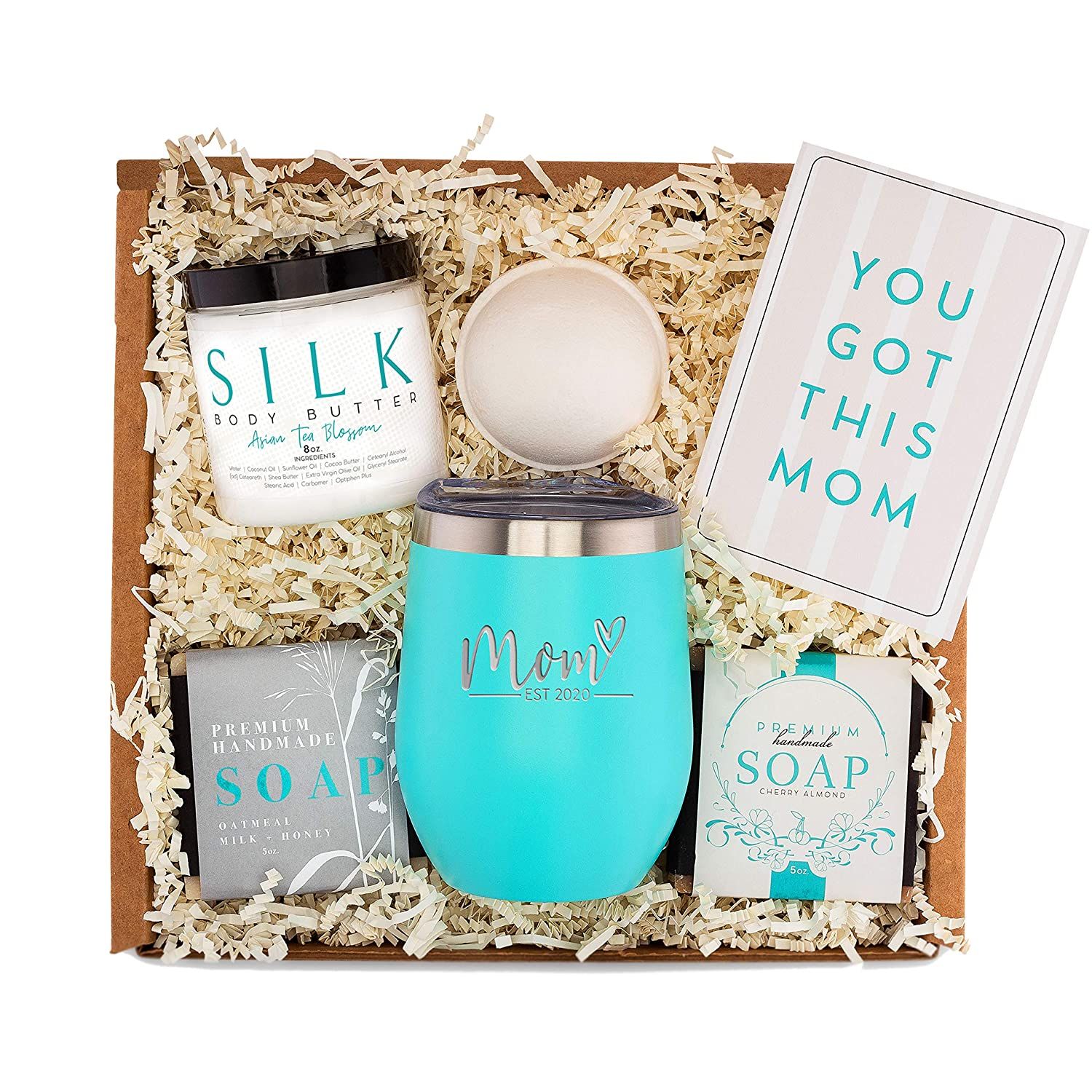
Instead of buying expensive pre-made boxes, look at your home for high-quality materials. A sturdy cardboard box from a local bakery or bookstore can be repurposed. You can use simple elements like natural twine, dried flowers (which are inexpensive and highly aromatic), and personalized handwritten tags instead of glossy store labels. These small swaps make the gift feel artisanal and bespoke.
Consider incorporating a single signature scent into the wrapping process—a spritz of vanilla or sandalwood on the ribbon, for instance. This engages another sense and creates an instant association between your thoughtfulness and a luxurious smell. Are you really paying attention to every sensory detail? Why wouldn't the recipient be?
Curation Over Cost: Selecting Items with High Perceived Value
When trying how to make a gift look expensive on a small budget, many people default to buying one big, flashy item they think looks expensive. This is often counterproductive. Instead, focus on curation—the art of grouping smaller, complementary items.
Think of your gift like a miniature mood board or a perfect little picnic basket. Rather than gifting just a candle, group it with a small packet of exotic tea, a tiny bar of artisanal soap, and an elegant matchbox. Each piece is inexpensive individually, but together, they tell a much richer story. They speak to a lifestyle or an experience, not just a product category.
A great example I once had was for a friend who loved reading. Instead of buying a single book, I put together a "Deep Dive Reading Kit." It included a beautiful bookmark from a local craft fair (under $5), a small tin of fancy hot chocolate mix (under $10), and an old, personalized library card-style tag. The total cost was negligible, but the themed grouping made it feel incredibly curated—a gift that said, "I know exactly who you are."
As one expert in retail experience noted, “People pay for stories, not just products.” By curating a small collection of related items, you give the recipient a story to open.
Making It Personal: The Power of Handwritten Thought
No matter how beautiful your wrapping or how perfect your curated box is, nothing beats genuine personalization. This doesn't mean buying expensive custom etchings; it means investing time and thought.
The card accompanying the gift should be treated like another element of the presentation. Use a nice stationery paper—even just plain cream-colored cardstock works wonders—and take the time to write out your message by hand. Do not use generic Hallmark phrasing. Instead, reference an inside joke or a shared memory. This grounds the entire package in genuine emotion, which is the most expensive and valuable commodity of all.
Furthermore, consider including a small, handwritten "care note" for the gift itself. For example, if you gave them scented soap, write: "Best used when soaking, to really let the oils bloom." This act of instruction makes the recipient feel like they are participating in an experience that you thoughtfully designed.
Crafting the Perfect Moment: Focusing on Experience Gifts
Sometimes the best way to make a gift look expensive is to avoid physical objects altogether and focus on experiences. These gifts require no elaborate wrapping, only planning. If you know your recipient loves art, instead of buying a print (which can feel cheap), consider gifting a voucher for a free entry to a local gallery exhibition or suggesting a specific window-shopping route together.
Experiences inherently signal luxury because they imply time—time spent together or time spent enjoying something beautiful. It shifts the focus from "What did you buy me?" to "What are we going to do?" This shift is powerful enough to make any gift feel elevated. Isn't that more memorable than a gadget anyway?
event giftingBeyond the Bow: Sustaining the Feeling of Luxury in Gifting
Once you’ve mastered the art of presentation and curation, how do you keep this sense of thoughtful luxury alive long after the initial excitement wears off? The key is to build your gifting practice around mindful giving.
- Think locally: Support small businesses near you (bakeries, soap makers, bookshops). These items carry an inherent story and craftsmanship that adds perceived value instantly. The "Upgrade" principle: When buying a necessary item for the gift, look for the best-looking version of it, even if it's slightly more expensive than you planned. For example, opting for a linen napkin instead of paper ones can change the whole feel of a gift basket. Timing is everything: Never wait until the last minute. The stress of rushing always diminishes the quality and thought put into any gift.
If making a perfect gift feels like a daunting task, remember this: thoughtfulness is your primary currency. If you approach the process with curiosity about what makes them feel special—what brings them joy, comfort, or laughter—the financial details become utterly irrelevant. How can you elevate these simple steps in future gifting?
By treating gift-giving not as a transaction but as a form of storytelling, you transform a small budget into a magnificent narrative. Your ability to connect emotion with presentation is the ultimate skill, and it’s one that requires only creativity, not capital. Start practicing today, and watch how effortlessly your gifts begin to sparkle.